Spatial design
We shape how people experience physical environments — guiding behaviour, supporting activities, and connecting built spaces to the services within them. Our spatial design work starts with people, not floor plans, using observational research to understand how spaces are actually used before imagining how they could work better.
Designing spaces around people
Great spaces do more than look good — they guide behaviour, support activities, and make people feel welcome. Spatial design is the practice of shaping physical environments so they work for the people who use them. It brings together:
- Observational research in existing spaces to understand real patterns of use
- Service design thinking applied to the built environment
- Wayfinding, flow mapping, and experience sequencing
- Integration of digital touchpoints with physical journeys
When organisations invest in new buildings, refurbishments, or public spaces, spatial design ensures the result serves human needs — not just architectural ambition.
How we approach spatial design
We start in the space itself — watching, listening, and mapping how people actually move through and use environments. Our researchers spend time in venues, campuses, and public buildings observing where people get stuck, where they linger, and where experience breaks down.
From there, we work alongside architects, operators, and stakeholders to translate those insights into design principles, experience blueprints, and service specifications. We connect what happens in the physical space to the services, technologies, and interactions that surround it — creating environments that feel intuitive and purposeful.
From museums to convention centres
We’ve applied spatial design thinking across a range of public institutions — museums, universities, convention centres, and government facilities. Each setting brings its own complexity. A museum needs to balance discovery with accessibility. A convention centre must serve event organisers, exhibitors, caterers, and visitors simultaneously.
What connects these projects is a commitment to starting with observation rather than assumption. We study how spaces are used today before designing how they should work tomorrow — and we bring the people who’ll use them into the process early.
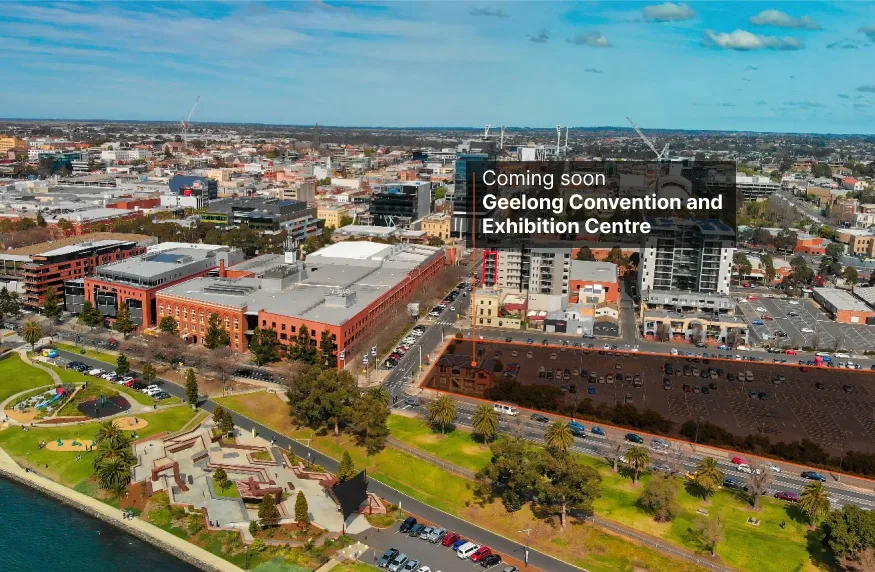
When Geelong’s new convention centre needed to be more than an architectural brief, we partnered with the Melbourne Convention and Exhibition Trust to define the experience — mapping what the venue should feel like for event organisers, local businesses, Traditional Owners, and visitors.
Connecting space to service
Spatial design becomes most powerful when it’s connected to the broader service experience. A building isn’t just walls and floors — it’s a series of moments where people arrive, orient themselves, find what they need, interact with staff, and leave with an impression.
We help organisations see their physical spaces as part of a larger service system. That means designing not just the environment but the touchpoints within it — ticketing, wayfinding, queuing, digital interfaces, and the transitions between them. The result is spaces that feel considered at every step.
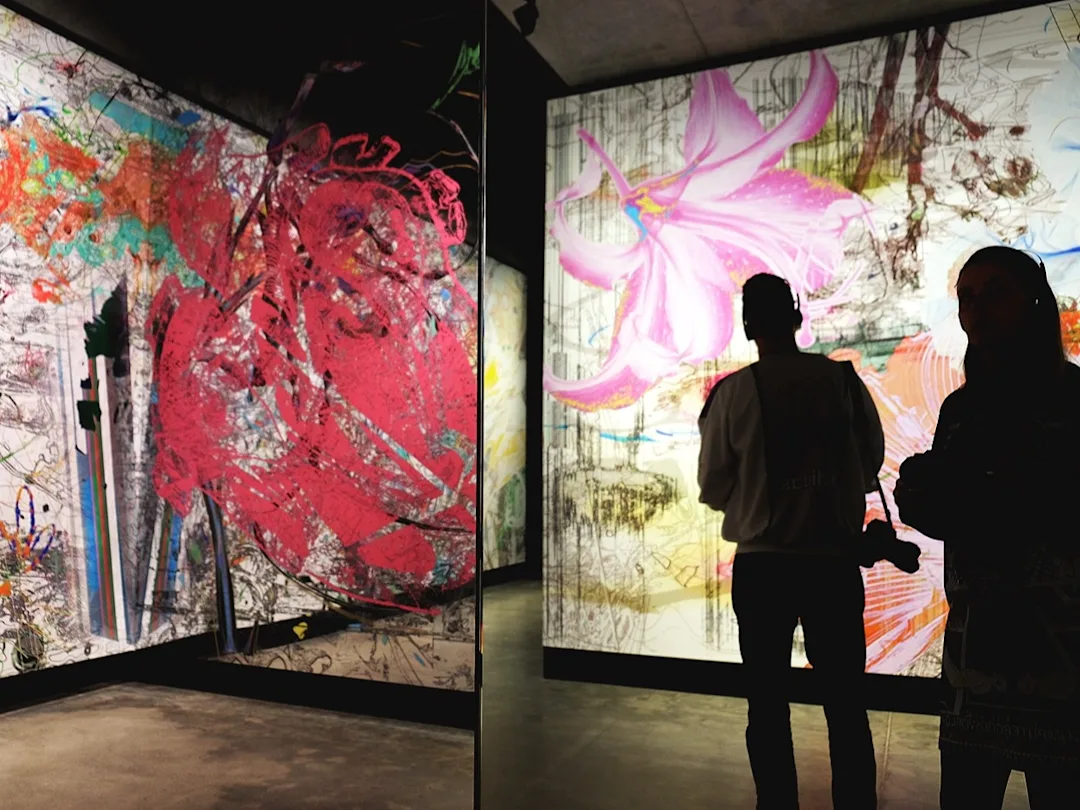
When MONA found that its ticketing system was creating friction instead of intrigue, we redesigned the experience — rethinking how visitors move from anticipation to arrival, and making the first moments of a visit as considered as the art inside.
Spaces that deliver lasting value
Well-designed spaces reduce friction, increase satisfaction, and create environments people want to return to. Our spatial design work helps organisations move beyond aesthetic decisions to make evidence-based choices about how their environments function.
Whether you’re planning a new venue, reimagining an existing campus, or rethinking how visitors experience your institution, we bring a human-centred lens to the built environment. The result is spaces that work harder — for the people who use them and the organisations that run them.
Whether you’re planning a new venue or rethinking an existing space, we’d love to help you start with the people who’ll use it.


