Services work when people don't have to fight them
Most services aren't designed — they accumulate. A form gets added here, a policy changes there, teams reorganise around internal logic rather than user need, and before long the people who depend on the service are left navigating a maze nobody planned.
We help organisations see their services the way people actually experience them — not as org charts or process maps, but as real journeys with real friction:
- The gaps between teams — where people fall through because nobody owns the handover
- The workarounds — where staff build unofficial fixes because the official process doesn't work
- The invisible burdens — where the service pushes complexity onto the people least equipped to handle it
Understanding these fault lines is where service redesign begins. Not with what should happen in theory, but with what actually happens in practice.

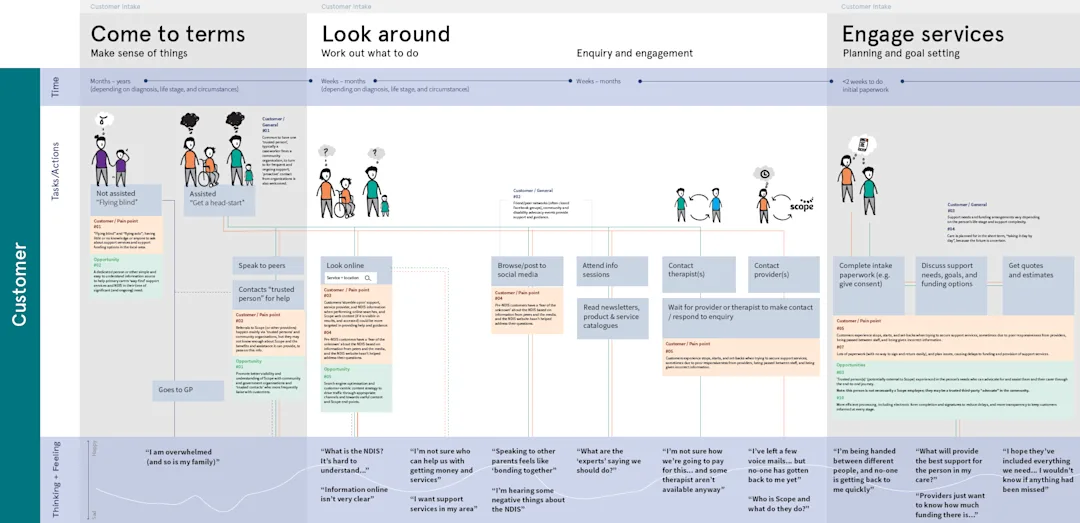
We co-designed a centre-based Hub and Spoke model for therapy delivery with Scope Australia, piloting the new service across two sites over 18 months to understand what worked for families, therapists, and coordinators navigating the NDIS.
Designing with the people closest to the problem
The best service designs come from the people who deliver and use the service every day. Frontline staff know where the system breaks. Community members know what it feels like to be on the receiving end. Neither group usually gets asked.
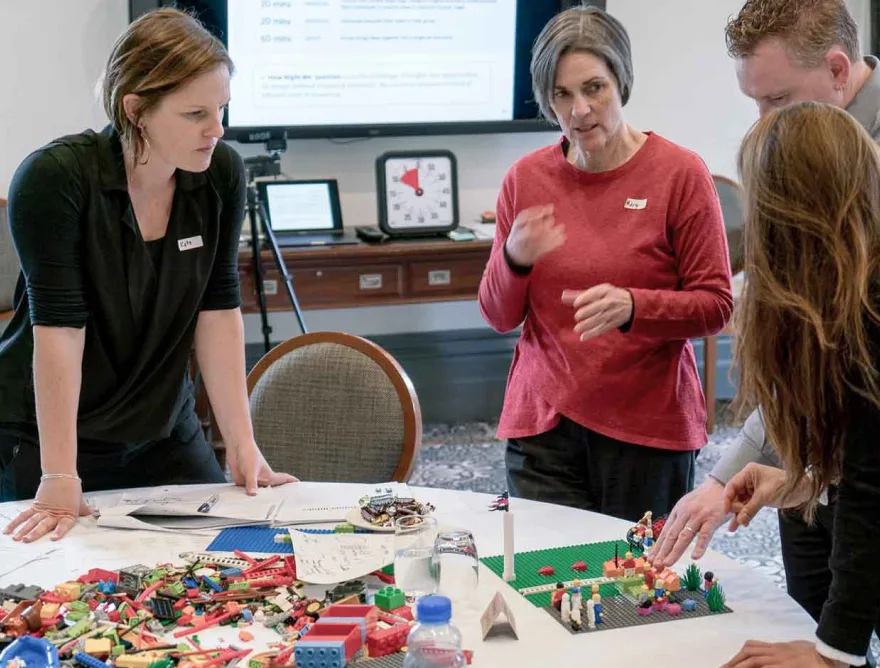
Our co-design practice brings these perspectives together — not as a one-off workshop, but as a sustained partnership throughout the project:
- Frontline immersion — we spend time with the people delivering the service, mapping their reality before proposing changes
- Community voice — we recruit and support the people who use the service to shape its redesign, not just validate it
- Decision-maker alignment — we help leaders see what the research reveals, so they can commit to changes that matter
Co-design isn't consensus-building — it's evidence-building. It creates the shared understanding that makes implementation possible.
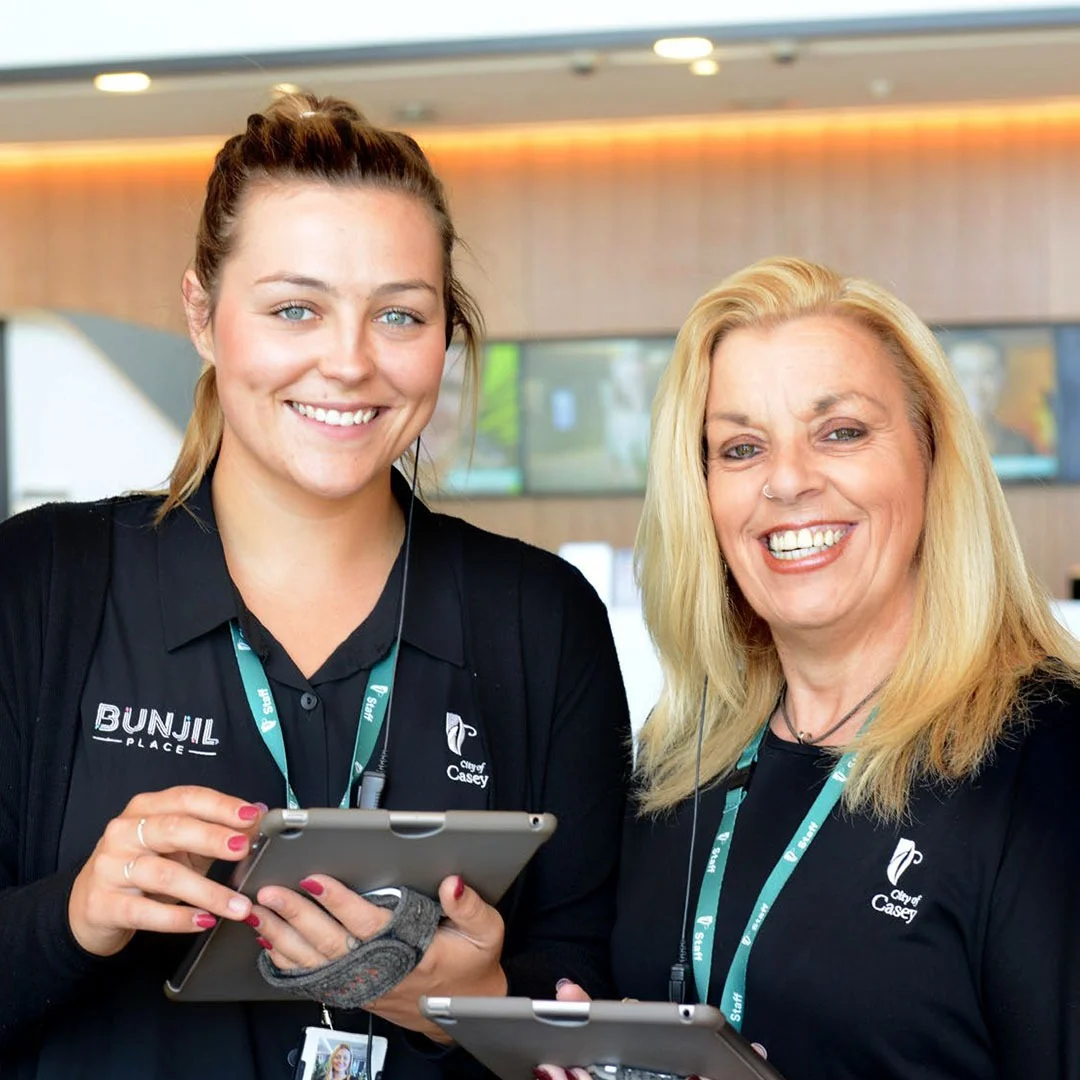
We helped the City of Casey refine their customer experience strategy by working with both internal stakeholders and the public — bridging the gap between how council teams understood service delivery and how residents actually experienced it.
Redesigning the whole system, not just the touchpoints
A beautiful new website means nothing if the process behind it is still broken. Service design works across the entire system — connecting policy, technology, operations, and people into something coherent.
We use a combination of research methods and design tools to map and redesign at the system level:
- Journey mapping — we document how people actually move through the service, including the moments between official touchpoints
- Service blueprinting — we connect front-of-house experience with back-of-house operations, showing where misalignment creates friction
- Rapid prototyping — we test new service models before committing to costly implementation, from paper concepts to working pilots
The goal isn't a beautiful artefact — it's a service that works better for everyone involved. Blueprints and maps are only useful if they lead to real change.
We redesigned the customer intake experience for Australia's largest disability service provider, mapping how people and families navigated the transition to the NDIS and designing a new pathway that reduced confusion and handover failures.
From research to implementation — and beyond
Insight without action is just an expensive report. Every service design engagement produces outputs designed to be used, not shelved — and we stay close enough to ensure they land.
What you walk away with depends on where you are in the journey, but typically includes:
- Service blueprints that map the complete service ecosystem and pinpoint where intervention will have the most impact
- Implementation roadmaps that sequence change into manageable phases, so teams aren't overwhelmed
- Measurement frameworks that track whether redesigned services are actually delivering better outcomes for people
We've helped organisations redesign services across government, health, disability, and education — from intake experiences serving thousands of people to internal processes that shape how entire departments operate. The method works because we design for the system, not just the interface.


