How to choose a human-centred design consultancy
The right design partner changes how you see your own problem
Choosing a design consultancy isn't a procurement exercise — it's a decision about how deeply you want to understand the people you serve. The consultancy you select will shape whether your organisation truly listens to communities, customers, and staff — or just goes through the motions.
Most consultancies will promise user-centred design. The difference is in how they deliver it:
- Research that goes beyond interviews — combining observation, data analysis, and participatory methods to reveal what surveys alone will miss
- Co-design that shares power — not just inviting people into a workshop, but structuring genuine participation where diverse voices shape outcomes
- A focus on what happens next — because recommendations that sit in a drawer haven't helped anyone
The best indicator of a consultancy's quality isn't their pitch deck. It's whether their past work has actually changed how an organisation operates.
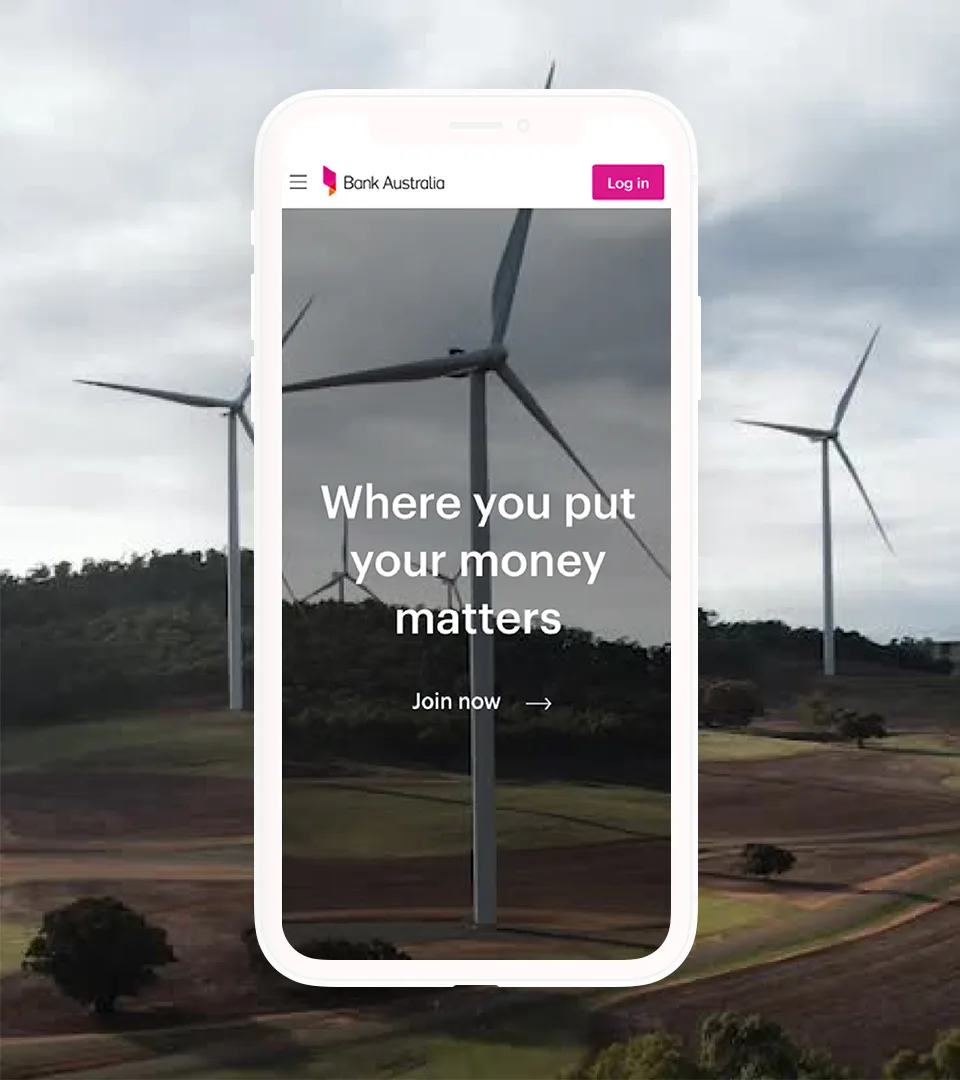
When Bank Australia needed to redesign their digital experience, we didn't start with wireframes. We started by understanding how customers actually bank — their frustrations, workarounds, and unmet needs — then designed a platform that serves both the brand's values and its customers' reality.
Look for depth, not polish
A beautifully designed report means nothing if the research behind it was shallow. When evaluating consultancies, look past the presentation and ask about the work itself — how they recruited participants, what methods they used, and how they moved from raw data to actionable insight.
The markers of genuine research depth include:
- Multiple methods layered together — interviews alone don't cut it. Look for teams that combine contextual observation, participatory workshops, journey mapping, and quantitative validation
- Real engagement with harder-to-reach communities — not just interviewing the people who are easiest to find, but building trust with those whose voices are most critical to the outcome
- Synthesis that reveals something new — good research doesn't confirm what you already know. It reframes the problem and shows you where you were looking in the wrong place
Ask to see how a consultancy has synthesised findings in past projects. The quality of that synthesis tells you more than any credentials presentation.
We worked alongside staff, clinicians, and people with lived experience of mental illness and addiction to co-design a new model of care for Alfred Health. The process required holding complexity — navigating competing clinical perspectives, institutional constraints, and deeply personal stories — to produce a transformation strategy the organisation could actually implement.
Co-design means sharing power, not just sticky notes
Real co-design is harder than it looks — and most consultancies aren't doing it. If a team's version of co-design is running a workshop where participants react to pre-formed ideas, that's consultation, not co-design.
We believe genuine co-design requires:
- Structural participation — people with lived experience aren't just consulted. They help define the problem, shape the approach, and evaluate the outcomes alongside designers and researchers
- Navigating complexity with care — when you involve diverse voices, you encounter disagreement, tension, and competing needs. A good consultancy knows how to hold that complexity without flattening it
- Building internal capability — co-design shouldn't create dependency on consultants. The goal is to leave your organisation more capable of involving people in decisions, not less
Ask any consultancy you're considering: "How do you share decision-making power with the people affected by this work?" The answer will tell you whether their co-design practice is real.
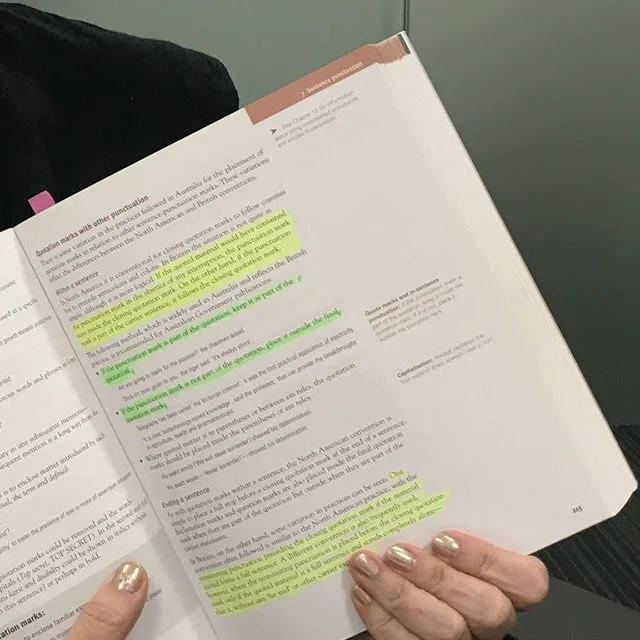
The Digital Transformation Agency asked us to reimagine the Australian Government Style Manual for the digital age. We conducted extensive research with public servants across departments to understand how they actually use writing guidance, then designed a platform that transformed a static reference document into a living, searchable tool — one that measurably improved the quality of government communications.
What happens after the report matters most
The hardest part of human-centred design isn't the research — it's making sure it changes something. Too many projects end with a compelling presentation that slowly fades from memory. The right consultancy will care as much about adoption as about insight.
Look for partners who think beyond the handover:
- Implementation support — not just recommendations, but practical guidance on how to embed changes into existing systems, workflows, and governance structures
- Internal advocacy — helping you build the case for change within your own organisation, translating research into language that resonates with executives, boards, and frontline staff
- Ongoing partnership — the willingness to stay involved as you encounter the messy reality of implementation, not disappearing once the final deck is delivered
A consultancy that only delivers insights is doing half the job. The real value shows up when research translates into services that work better for the people who use them.
Five questions that separate good consultancies from great ones
Before you sign a statement of work, put these questions to any consultancy you're considering. The quality of the answers will tell you more than any website or case study deck.
- "Walk me through a project where things got difficult." — Every meaningful project encounters resistance, ambiguity, or unexpected findings. How a consultancy navigates those moments reveals their real capability
- "Who will actually do the work?" — Senior people should be involved throughout, not just during the pitch. Ask who will lead your research, facilitate workshops, and write the recommendations
- "How do you measure impact?" — Listen for specifics. Not vague references to satisfaction or engagement, but concrete examples of policy changes, service improvements, or adoption rates that shifted because of their work
- "What does your relationship with a client look like after the project ends?" — The answer reveals whether they see their role as delivering a product or building a partnership
- "Can you show me how your research changed what an organisation actually did?" — This is the hardest question to answer well, and the most important
The right consultancy won't just answer these questions — they'll welcome them. They'll have stories ready, not because they rehearsed them, but because they genuinely care about the work.


