What strategic design actually is (and isn't)
Design methods for problems that don't have obvious solutions
Strategic design applies the tools of design — research, prototyping, systems mapping, co-design — to challenges that sit well beyond the reach of a typical design brief. We're talking about policy reform, organisational transformation, cross-sector coordination, and system redesign. The kind of problems where the people affected disagree about what the problem even is.
This isn't strategy consulting with sticky notes. And it's not design thinking workshops that generate ideas but change nothing. It's a practice built on:
- Making the invisible visible — mapping how decisions actually flow, where information stalls, and which power dynamics shape outcomes
- Testing before committing — prototyping interventions, governance models, and service architectures so you can learn cheaply before scaling
- Grounding strategy in lived experience — working directly with the people closest to the problem, not just the people commissioning the work
The result is strategy that's been tested, shaped by evidence, and built to survive contact with reality.
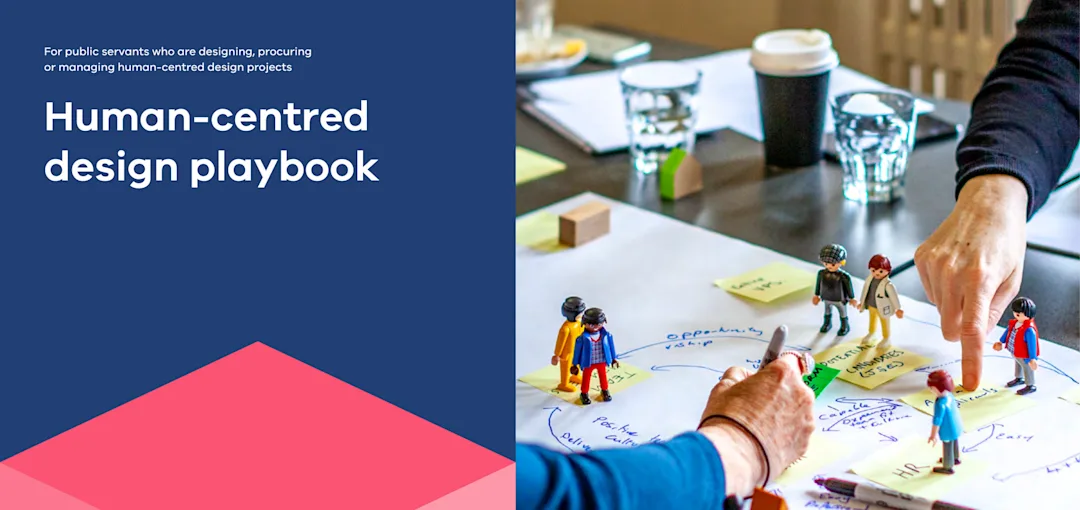
We partnered with the Victorian Department of Premier and Cabinet to create a Human-Centred Design Playbook — a practical guide that equips public servants with design methods, even when they've never used them before. The playbook was designed with practitioners across government, tested in real project settings, and is now used to improve how services are designed and procured across the Victorian public service.
When traditional approaches keep falling short
You probably don't need strategic design for a straightforward product launch or a brand refresh. But there are situations where the usual playbook — commission research, write a strategy, hand it to implementation — consistently fails. That's where we come in.
Strategic design is the right approach when:
- The problem keeps shifting — stakeholders can't agree on what the actual challenge is, let alone the solution. We create shared understanding before jumping to answers.
- Strategies look sound but fail in practice — usually because they were designed without the people who have to deliver them. We close that gap through co-design.
- The challenge crosses boundaries — it spans departments, organisations, or sectors. No single team owns it. Traditional project structures can't hold it.
- Previous interventions haven't stuck — reports have been written, recommendations made, pilots run. But nothing changed at the system level.
When the problem is complex enough that no one person can see the whole picture, strategic design gives you a way to navigate it together.
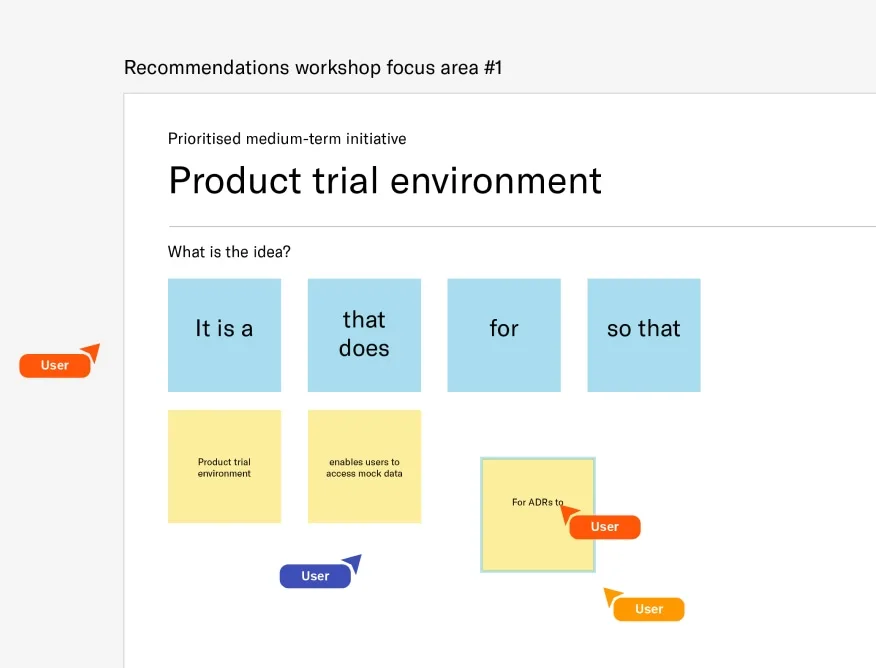
We worked with the Australian Energy Market Operator to map the forces shaping consumer energy data innovation — uncovering where regulatory barriers, technology constraints, and organisational incentives were blocking progress. Through systems mapping and co-design with stakeholders across the energy sector, we identified practical actions that could unlock value without waiting for the whole system to align.
From mapping systems to shaping what comes next
Our strategic design work typically moves through three phases — though the path is rarely linear. Complex problems demand flexibility, so we adapt the sequence to what each challenge requires.
We start by understanding the system as it actually operates. That means going beyond org charts and policy documents to trace how decisions get made, where accountability breaks down, and what the people inside the system experience day to day. Tools like systems mapping, journey ecosystems, and participatory research help us see what traditional analysis misses.
From there, we move into designing interventions that can actually work. Not abstract recommendations — tangible artefacts:
- Frameworks and maturity models that give organisations a clear path forward
- Playbooks and decision tools that teams can use without us in the room
- Service models and governance structures prototyped with the people who'll operate them
Finally, we build capability so the work outlasts our involvement. We co-design with practitioners, embed tools into existing workflows, and leave organisations with the confidence to keep iterating.
The goal isn't a beautiful strategy document. It's lasting change in how a system works.
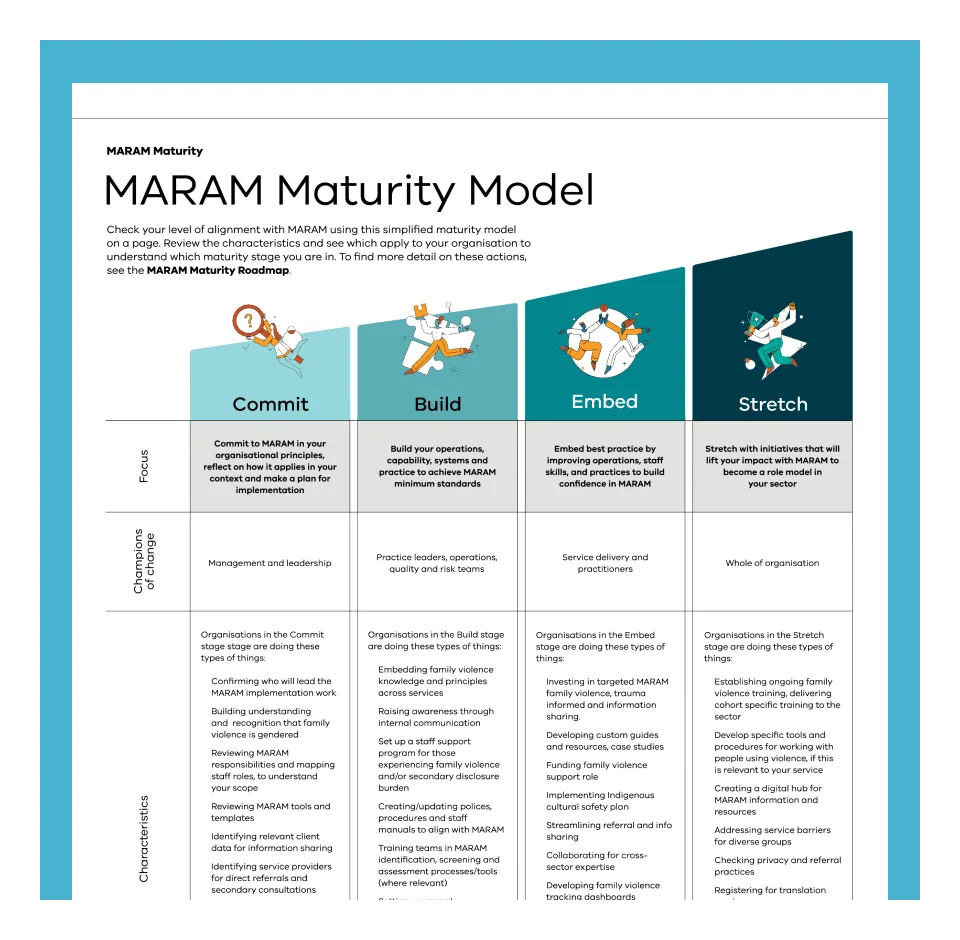
We helped Family Safety Victoria design the maturity model and practice toolkit for the MARAM Framework — a system-wide approach to family violence risk assessment. The work involved co-designing with practitioners across health, justice, education, and community services to create tools that met organisations where they were, rather than demanding immediate transformation.
Co-design as a non-negotiable
Strategic design without co-design is just consulting with better visuals. The strategies that actually change systems are the ones shaped by the people who live and work within them — not just the people who commissioned the project.
This means something specific in practice:
- First Nations communities as true partners — not consulted at the end, but shaping the work from the beginning. We've learned that genuine co-design requires ceding control over the process itself.
- Frontline workers as experts — the people delivering services understand the system's real constraints better than any stakeholder map. Their knowledge shapes what we design.
- Cross-sector collaboration — when the challenge spans multiple organisations, we bring all parties into the design process. Alignment happens through making things together, not through alignment workshops.
Co-design isn't a phase of the project. It's the reason the outputs actually get used.
What strategic design makes possible
Our strategic design work has shaped policy frameworks used across entire state governments, built capability in organisations that had never used design methods, and created tools that practitioners reach for years after the project ends.
The impact shows up in different ways depending on the challenge:
- Systemic reach — frameworks and models adopted across hundreds of organisations, not just the one that commissioned the work
- Practitioner confidence — teams equipped with tools and methods they can apply independently, long after our engagement ends
- Policy that works in practice — strategies grounded in the reality of implementation, not just the aspiration of a ministerial brief
When design methods are applied at a strategic level, the result isn't just a better plan. It's a system that works differently.


