Energy transition by design
The energy transition runs on people, not just infrastructure
Technical solutions for the energy transition largely exist — solar, batteries, demand response, electrification. The gap is understanding how real communities will respond to them. Every tariff change affects how a family in regional Victoria budgets for winter. Every renewable incentive only works if renters can actually access it. Grid modernisation depends on consumers trusting new technologies enough to adopt them.
We bring human-centred research into the rooms where energy decisions are made:
- Consumer research — interviewing households navigating rising costs, adoption barriers, and the gap between what policy intends and what people experience
- Systems mapping — charting the actors, incentives, and feedback loops that shape how energy markets actually behave
- Scenario planning — stress-testing how different communities — renters, regional towns, small businesses — will respond to proposed changes
- Stakeholder engagement — bringing together regulators, market operators, consumer advocates, and communities in structured co-design
We partner with organisations like AEMO, the State Electricity Commission, Energy Safe Victoria, and federal energy bodies to close the gap between policy intent and real-world impact.
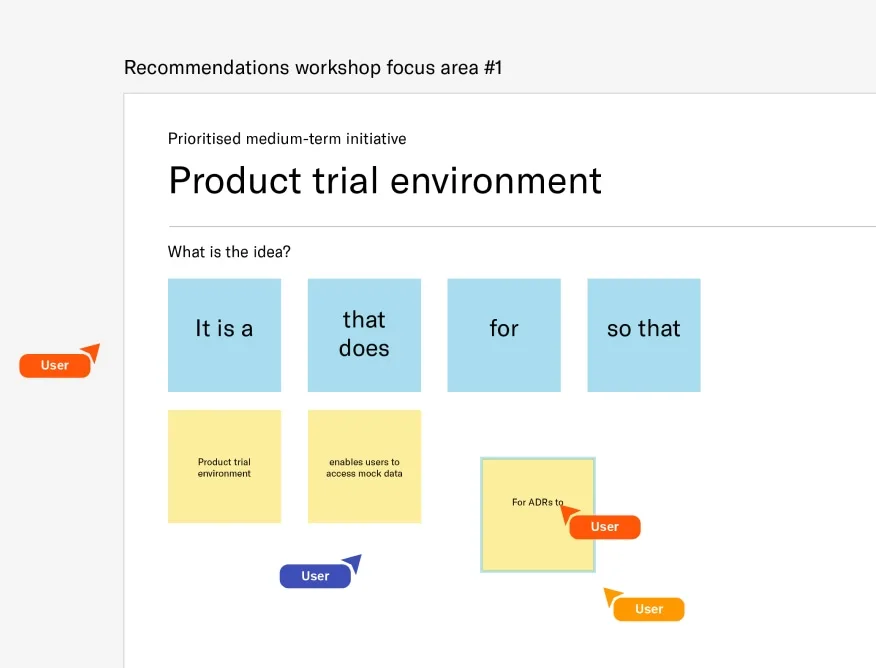
We partnered with the Australian Energy Market Operator to uncover what was blocking innovation in consumer energy data. By mapping the forces across regulators, retailers, and startups, we co-designed practical actions to support a more open and innovative energy data landscape — work that directly informed AEMO's advocacy on the Consumer Data Right.
Understanding the system before redesigning it
Energy policy is a system problem. A new tariff doesn't just change a bill — it ripples through household budgets, retailer margins, network investment, and political risk. We help our clients see the whole system before making moves within it.
Our approach starts by mapping the forces at play:
- Force mapping — identifying the actors, incentives, regulations, and behaviours that shape your policy area, then surfacing where they reinforce or undermine each other
- Consumer archetypes — building evidence-based profiles of how different communities experience energy systems, from early-adopter homeowners to disengaged renters
- Barrier analysis — pinpointing what stops people from adopting new technologies, participating in demand response, or engaging with energy data
The result is a clear picture of where intervention will create momentum — and where it will meet resistance.
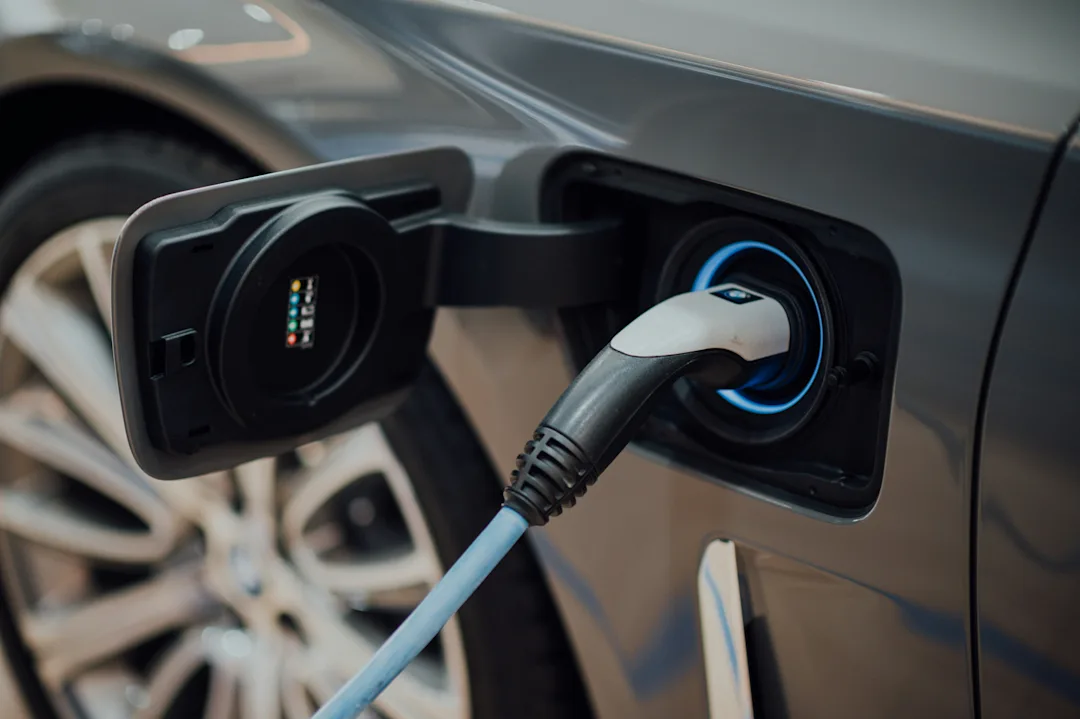
We worked with the re-established State Electricity Commission to understand how Victorian households and communities could participate in the energy transition through consumer energy resources. Our research mapped the system surrounding rooftop solar, batteries, and demand response — identifying where real people were being left behind and where genuine opportunities for participation existed.
Co-designing policy with the people it affects
Energy policy designed without consumer input tends to produce unintended consequences. Incentives that exclude the people who need them most. Consultation processes that hear from industry but not from households. Technology rollouts that assume a level of trust that hasn't been earned.
We bring participatory methods into policy development:
- Co-design workshops — bringing diverse voices into the room, including consumers, community organisations, and frontline workers, to shape policy options alongside regulators
- Vision development — helping organisations articulate what a customer-centric energy future actually looks like, grounded in evidence rather than aspiration
- Scenario modelling — projecting how proposed changes will play out across different communities, income levels, and housing types
When you design policy with people rather than for them, you get solutions that are more equitable, more adoptable, and more resilient.
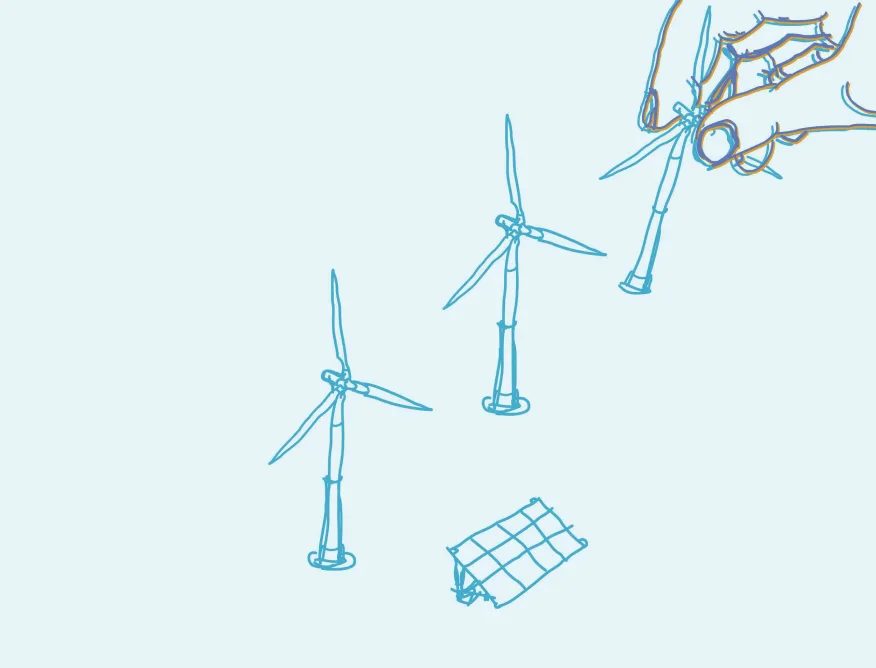
We brought together 51 senior stakeholders from across Australia's energy sector — spanning government, industry, and academia — in six structured workshops to surface novel and emerging risks to energy security. The work helped the Department of Industry, Science and Resources build a shared picture of threats that no single organisation could see on its own.
From research to action in energy policy
We don't deliver reports that sit on shelves. Every output is designed to move directly into your decision-making process — whether that's a board paper, a regulatory submission, a policy framework, or a stakeholder engagement strategy.
When you work with us on energy transition challenges, you walk away with:
- Systems maps — visual models of the actors, incentives, and feedback loops shaping your policy area, designed to be used in workshops and decision-making, not just read
- Consumer insights — research findings that reveal how different communities experience energy systems, from billing confusion to adoption barriers for new technologies
- Policy design frameworks — structured approaches for developing options that account for real-world behaviour, not just market theory
- Engagement strategies — plans for bringing diverse voices into the policy process, including those typically excluded from formal consultation
Each project builds your organisation's capacity to put people at the centre of energy transition decisions.


