Design research
Design research studies people in context to inform what gets designed, how it works, and whether it delivers real value. We work across discovery, concept testing, and post-launch evaluation to surface usability findings, behavioural insights, and evidence that shapes better products, services, and systems.
What design research is and why it matters
Design research studies people in context — how they behave, what they need, and where current solutions fall short. It's the evidence base that shapes what gets designed, how it works, and whether it delivers real value. Without it, teams are guessing.
We help organisations use design research to:
- Understand the lived experiences of the people they're designing for
- Identify unmet needs, workarounds, and pain points that data alone can't reveal
- Test concepts with real users before committing to build
- Evaluate whether what's been delivered actually works in practice
How we approach design research
We go where the experience happens — into homes, workplaces, service centres, and communities — to understand what people actually do, not just what they say. Our researchers combine ethnographic fieldwork, usability testing, concept validation, and post-launch evaluation to build a clear picture of what's working and what isn't.
This produces actionable outputs:
- Discovery findings that reframe how teams understand their users
- Usability insights that pinpoint where products and services break down
- Concept testing results that reduce risk before development begins
- Evaluation evidence that demonstrates whether outcomes are being met
From life-saving technology to government services
Our design research has shaped products, services, and systems across radically different contexts — from vehicle safety technology to bereavement support. What connects this work is a commitment to understanding people's real experiences before making design decisions. Whether we're observing families in their cars, interviewing people navigating grief, or mapping a journey through government services, the goal is the same: surface the evidence that leads to better outcomes for the people who matter most.
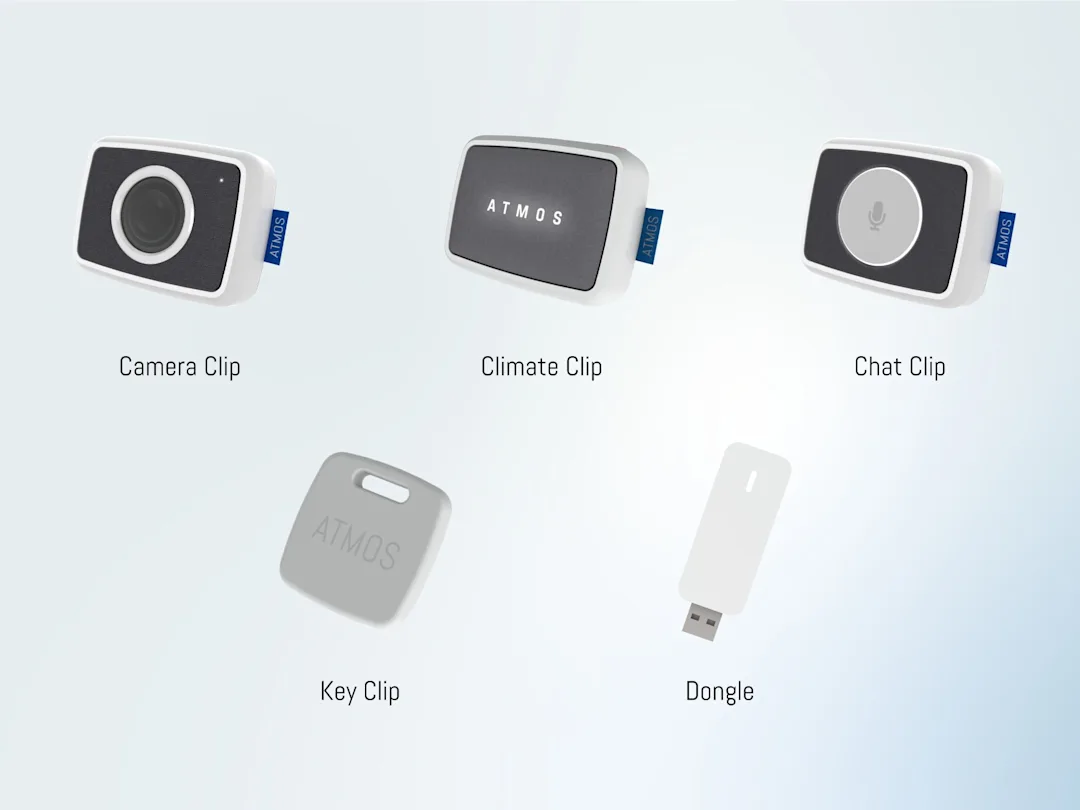
When D-Ford needed to understand how families experience vehicle safety in real life, we used contextual research and co-design to turn those insights into ATMOS — a product-service ecosystem that makes life-saving technology accessible to every Australian family.
Research that reveals what really matters
The best design research doesn't just confirm what teams already suspect — it uncovers the things nobody thought to ask about. With D-Ford, contextual research with families revealed that vehicle safety wasn't just a technology problem — it was a caregiving challenge that crossed generations and daily routines. That shift in framing changed everything about how the solution was designed. We bring the same depth of inquiry to every project, because the insights that matter most are often the ones hiding in plain sight.

The Digital Transformation Agency asked us to research what it is really like to deal with the death of someone close to you. Our design research mapped that experience across government services, revealing the gaps and pain points that data alone could never capture.
Designing research for sensitive experiences
Some of the most important design research happens in spaces where people are vulnerable, grieving, or navigating systems at the worst possible time. Our work with the DTA — researching what it's really like to deal with the death of someone close to you — required careful, trauma-informed methods that respected participants while surfacing the systemic gaps that needed attention. We carried that same care into our partnership with GMCT, where understanding how people experience loss became the foundation for transforming an entire organisation's approach to customer experience.

We partnered with the Greater Metropolitan Cemeteries Trust to develop a customer experience strategy grounded in deep research with people navigating the most difficult moments of their lives — turning what we learned into a framework that guides ongoing business transformation.
Evidence that shapes what gets built
Design research earns its place when the things that get designed actually work for the people who use them. Our research has informed products adopted by families across Australia, reshaped how government agencies understand citizen journeys, and guided organisations through sensitive service transformations. When decisions are grounded in what people genuinely need — not assumptions about what they want — the results speak for themselves. That's the difference design research makes: less guessing, fewer failures, and outcomes that hold up in the real world.
Let’s talk about how design research can shape better outcomes for the people you serve.


