Co-design
Co-design means designing with people, not for them. We bring affected communities into the design process as active participants, creating culturally safe spaces where diverse voices shape the solutions that affect their lives. From mental health services to digital tools for self-determination, our co-design work builds lasting capability within organisations.
Designing with, not for
Co-design shifts the balance of power in design processes, moving affected communities from the role of subject to active participant. Rather than consulting people after decisions are made, co-design brings them into the room where solutions take shape.
We create the conditions for genuine participation:
- Culturally safe spaces where people feel respected and heard
- Shared decision-making that honours lived experience alongside professional expertise
- Practical methods that make participation accessible, not performative
- Capability transfer so organisations can continue co-designing after we leave
When done well, co-design produces solutions people actually want to use — because they helped create them.
How we approach co-design
We navigate the complexity that genuine co-design demands — addressing power dynamics, building trust, and creating space for voices that are often excluded. Our approach goes beyond workshops and sticky notes.
We work alongside communities and organisations to:
- Map power dynamics and design processes that redistribute authority
- Build trust over time through sustained engagement, not one-off sessions
- Adapt methods to the cultural and social context of each community
- Connect lived experience to systemic change so insights translate into lasting impact
What emerges is not just better solutions, but stronger relationships between organisations and the communities they serve.
From personal experience to national policy
We have applied co-design across a remarkable range of contexts — from deeply personal mental health experiences to large-scale service transformation. The common thread is a commitment to centring the people most affected by the outcome.
Our co-design work spans:
- Indigenous self-determination — working on country with First Nations communities
- Mental health and wellbeing — partnering with people with lived experience
- Health service transformation — redesigning systems alongside frontline staff and consumers
- Crisis response — rapidly co-designing support during national emergencies
Each context demands different approaches, but the principle stays the same: the people closest to the problem hold essential knowledge for the solution.
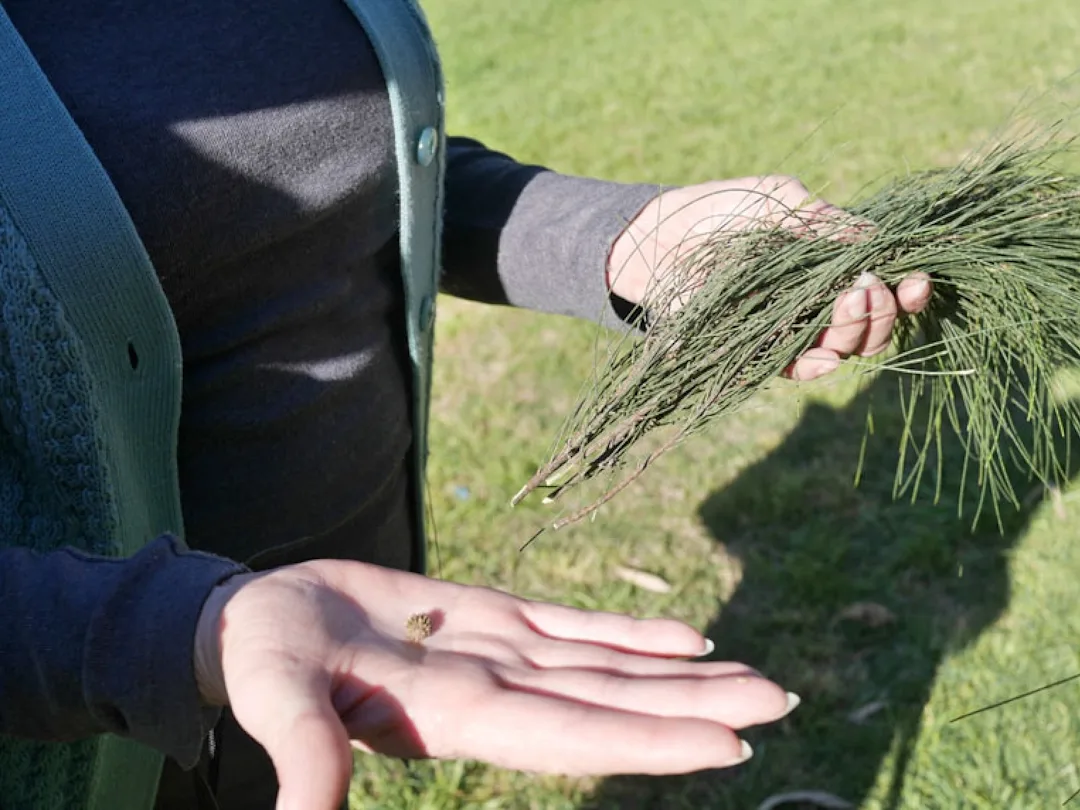
When researchers at RMIT and The University of Melbourne needed to support Wiradjuri self-determination through digital tools, we co-designed on country — creating a community storytelling platform that honours the complexity of contemporary Indigenous identity.
Co-design in moments that matter
Some of the most important co-design happens during times of crisis, when affected communities need to shape urgent responses — not just receive them. Speed and sensitivity are not opposites; genuine participation is possible even under pressure.
We have learned that co-design during difficult moments requires:
- Rapid trust-building with people in vulnerable situations
- Flexible methods that adapt as circumstances shift
- Clear pathways from lived experience to organisational action
- Honest acknowledgement of the limits of what participation can achieve
The results go beyond immediate solutions. Organisations that co-design during crises build the muscle for ongoing community partnership.

When COVID-19 created an unprecedented mental health crisis, we partnered with Beyond Blue and people with lived experience to co-design urgent responses — transforming how the organisation delivers support, advice and information during times of widespread need.
Transforming systems from the inside out
Co-design reaches its full potential when it reshapes not just individual services, but the systems and cultures behind them. We work with organisations to embed participatory approaches into their ongoing practice.
This means:
- Involving staff and consumers in redesigning the services they deliver and receive
- Creating shared visions that reflect diverse perspectives, not just leadership priorities
- Building internal capability so co-design becomes part of how the organisation works
- Connecting frontline insights to strategic transformation
When organisations learn to co-design, they stop guessing what people need and start building with them.
When Alfred Mental and Addiction Health needed a new vision for their future, we brought staff and people with lived experience together to co-design a transformation strategy — one grounded in the perspectives of everyone the service touches.
The lasting value of co-design
Co-design delivers more than better products and services — it builds the trust, relationships and organisational capability needed for ongoing responsiveness to community needs.
Organisations we have partnered with through co-design have:
- Created solutions that communities genuinely adopt because they helped shape them
- Strengthened relationships with the people they serve
- Developed internal capability to continue participatory practice
- Made decisions grounded in lived experience, not assumptions
We help organisations move from designing for people to designing with them — and the difference shows in everything that follows.
We'd love to explore how co-design can help your organisation create solutions that truly work for the people they're meant to serve.


