Service prototyping
Service prototyping tests how services actually work before you build them. We simulate real touchpoints, handoffs, and decision points to surface what breaks and what holds up — giving you evidence-based confidence before committing resources.
Testing how services work before building them
Service prototyping gives you evidence before you commit. Instead of launching a new service and hoping it holds together, prototyping lets you simulate real interactions — from first contact to final handoff — and see where things break.
- Simulate touchpoints across channels, teams, and time
- Test at different fidelity levels, from paper walkthroughs to live role-plays
- Identify failure points before they reach real customers
- Give frontline staff a chance to pressure-test new processes
It's the difference between designing a service on paper and knowing it will actually work when real people use it.
How we prototype services
We focus on the hard parts — the transitions and handoffs where most services fall apart. Our prototyping goes beyond wireframes and journey maps to test how work actually flows between teams, channels, and decision points.
- Prototype at multiple fidelity levels — from tabletop walkthroughs to staffed simulations
- Test with real staff and real customers, not just internal stakeholders
- Focus on handoffs between teams, transitions between channels, and moments where people make decisions
- Capture genuine reactions and surface assumptions that only become visible under pressure
What you get is evidence. Not opinions about whether a service will work, but direct observation of how it performs when people interact with it.
From new offerings to system redesign
We've prototyped services across very different contexts — from designing entirely new offerings to reworking how large-scale systems handle complex cases. The common thread is making the invisible visible: revealing the operational reality that sits behind a service promise.
Whether you're building something from scratch or fixing a process that's been failing quietly for years, prototyping gives your team a shared, tested understanding of what actually needs to happen. That shared understanding is what makes the difference between a plan and a service that works.

When Assemble needed to design a financial coaching service from scratch, we prototyped the entire offering — testing how the service would actually work for residents before committing to build.
Prototyping the customer experience, not just the interface
Service prototyping matters most when the stakes are high and the service is complex. When someone is navigating a disability support system or entering a new care pathway, the service isn't a single screen — it's a sequence of conversations, referrals, assessments, and handoffs that all need to work together.
We prototype these end-to-end experiences, testing how people move through them and where they get stuck. This is how you redesign a service with confidence — by watching it work before it launches.
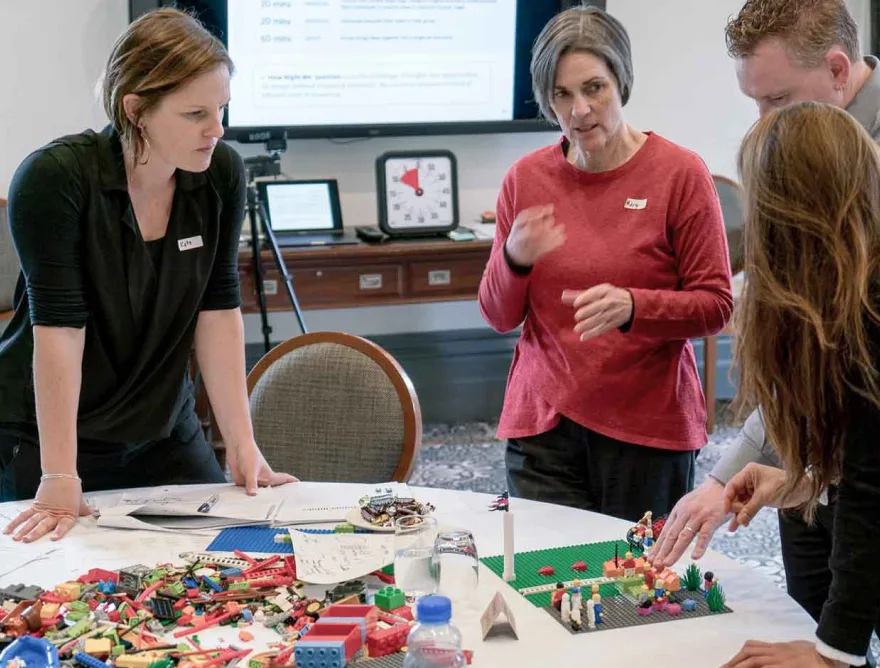
Scope needed to redesign how new NDIS customers were welcomed into their services. We prototyped the intake journey end-to-end, testing handoffs between teams to make sure nothing fell through the cracks.
Giving voice to the people services are built for
The most powerful prototypes include the people who will be most affected by the service. When we bring workers, customers, or community members into the prototyping process, we surface insights that internal teams simply can't see on their own.
This approach is especially valuable in complex regulatory or government contexts, where services are designed around compliance requirements rather than human needs. Prototyping with real participants reveals the gap between how a service is supposed to work and how it actually feels.
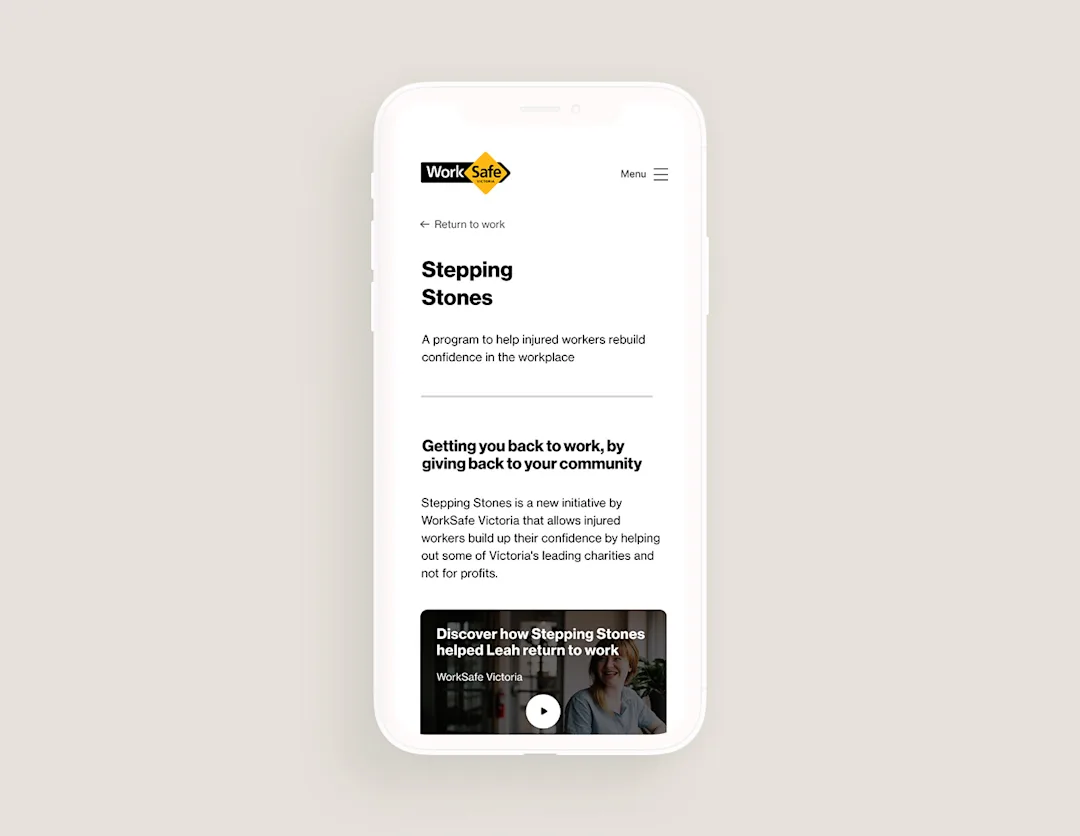
WorkSafe Victoria needed to understand why their mental injury claims process wasn't working for workers. We prototyped new approaches that centred the worker voice, testing how changes would play out before implementation.
Confidence before commitment
Service prototyping changes how teams make decisions. Instead of debating what might work, you test what does. Instead of launching and iterating in public, you iterate before anyone is affected.
The result is faster, more confident service launches. Fewer costly redesigns after launch. And services that work the way they're supposed to — not just on paper, but in the hands of real people. When you've seen a service prototype succeed, you know what to build and why it matters.
Let's talk about how service prototyping can give your team the evidence it needs to move forward with confidence.


