Organisational design
Organisational design shapes how teams, roles, and governance align with what an organisation is trying to achieve. We map real organisational dynamics and co-design structures, operating models, and decision-making frameworks that help people do their best work.
What is organisational design and why it matters
How an organisation is structured determines what it can achieve — its ability to adapt, collaborate, and deliver on its purpose. Organisational design goes beyond org charts. It is the intentional shaping of structures, roles, processes, and governance so they align with strategic direction.
- Aligns team structures and governance with strategic priorities
- Clarifies roles, responsibilities, and decision-making authority
- Reduces duplication and friction across teams and divisions
- Builds adaptive capacity for changing conditions
- Creates the conditions for genuine cross-disciplinary collaboration
How we apply organisational design
We start by understanding how the organisation actually works — not just how the org chart says it should. Through interviews, workshops, and analysis of workflows and decision patterns, we map the real dynamics: where collaboration happens naturally, where it breaks down, and where structure helps or hinders people.
We then work alongside leadership teams to design operating models, governance structures, and team configurations that fit the organisation’s strategy and culture. Our recommendations come with implementation plans that account for the human side of change — because restructuring only works when people understand and support it.
From emergency response to community health
We work across the full range of organisational design challenges — from national agencies managing disaster resilience to community health organisations embedding cultural safety across every function. Whether an organisation is growing, merging, or fundamentally rethinking how it operates, we bring a human-centred design lens to structural change. The scale shifts, but the approach stays grounded in understanding people and purpose.
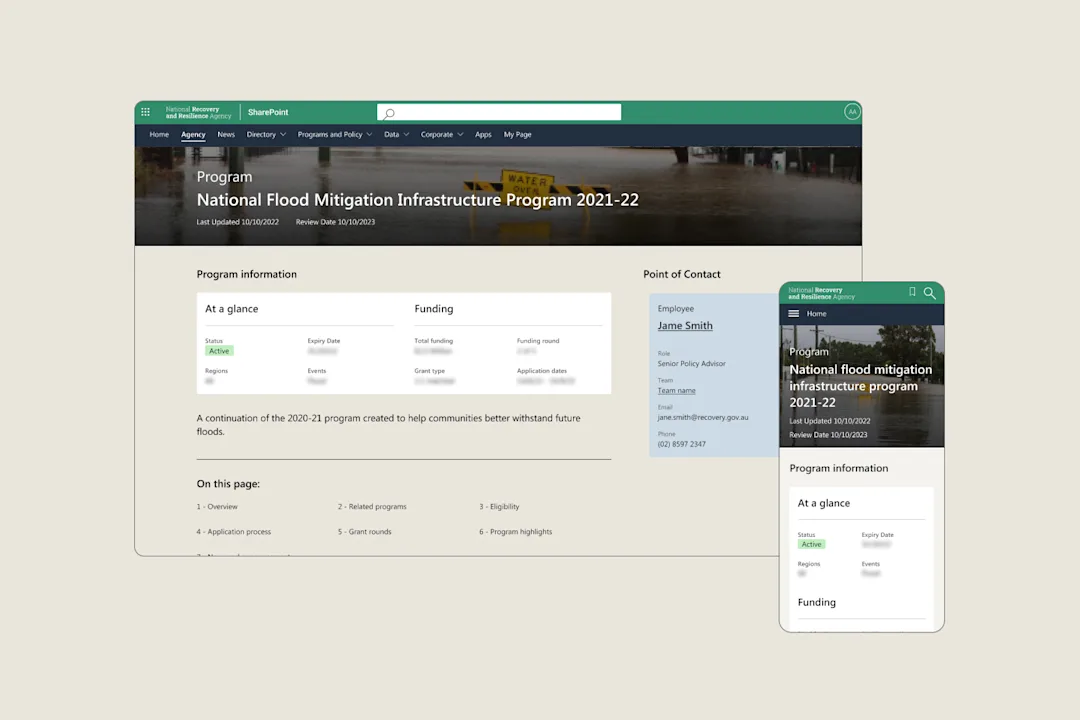
When the National Emergency Management Agency needed to build disaster resilience capabilities across geographically distributed teams, we co-designed structures and tools that empowered staff to work more cohesively and confidently.
Designing for cultural change, not just structural change
Restructuring an organisation means nothing if the culture does not shift alongside it. We help leadership teams see beyond reporting lines to the values, behaviours, and practices that shape how people actually experience their workplace. When an organisation commits to embedding something like cultural safety, the design challenge is not just about where teams sit — it is about how every role, process, and governance mechanism reinforces that commitment.
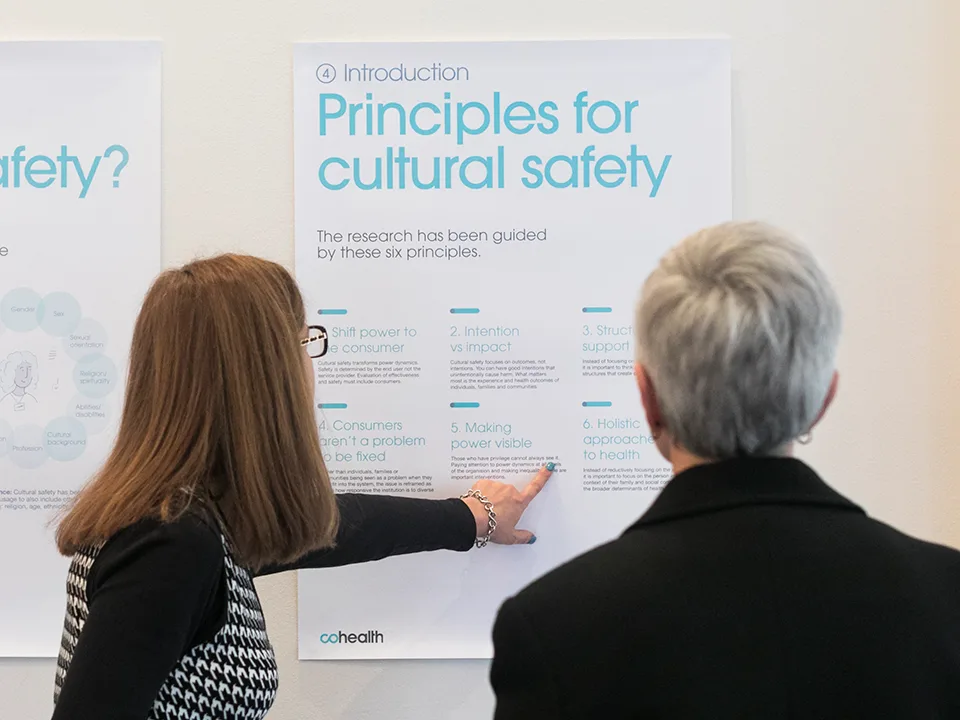
When cohealth set out to create a strategy for cultural safety, we helped the whole organisation engage in co-designing a vision that reached across every level of their structure — from leadership priorities to frontline practice.
Building organisations that can evolve
The best organisational designs are not rigid blueprints — they are adaptive frameworks that help teams respond as conditions change. We help organisations build structures that are clear enough to provide direction but flexible enough to accommodate growth, new mandates, or shifting priorities. When transformation is underway, we work alongside teams to co-create a shared vision of what the organisation can become — turning strategic ambition into practical operating reality.
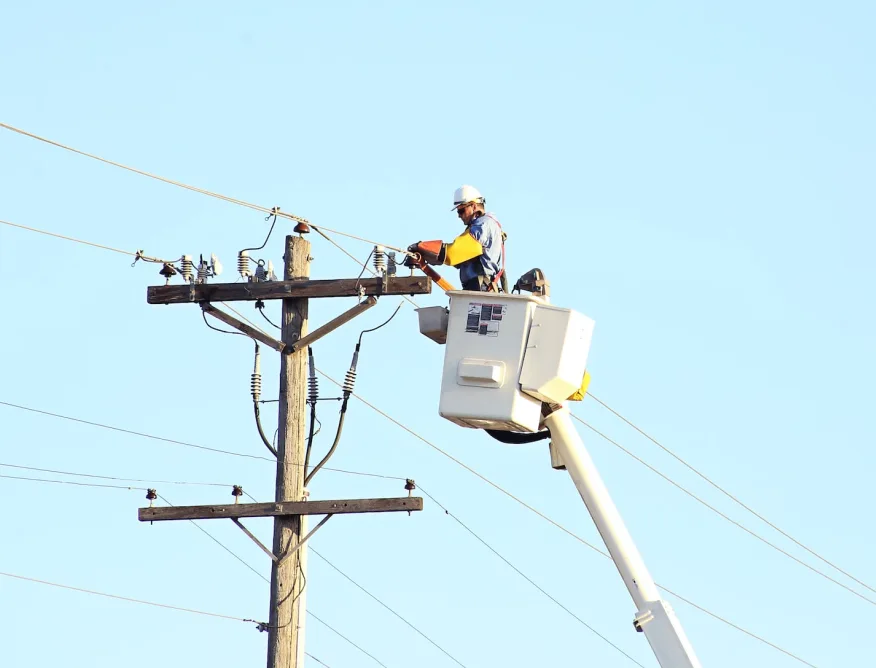
When Energy Safe Victoria embarked on a major transformation, we used participatory methods to co-create a vision and customer experience strategy that aligned the whole organisation around a customer-centric future.
Structures that serve people and purpose
Our organisational design work has helped agencies build resilience, health organisations embed cultural safety, and regulators become genuinely customer-centric. In each case, we went beyond drawing boxes and lines. We helped leadership teams understand the human dynamics within their organisations and design structures that support the work people actually need to do. The result is organisations that are not just well-structured on paper, but equipped to deliver on their purpose.
Talk to us about designing structures that align with your strategy and support your people.


