Expertise / Capability building
What capability building in design actually looks like
The problem with buying design capability
Most organisations don't lack design ambition — they lack the internal muscle to act on it. They commission projects, bring in consultants, get beautiful deliverables. But when the engagement ends, the skills and confidence leave with the consultants. The next challenge arrives and teams are back to square one.
This is the difference between buying design work and building design capability:
- Buying design — you get outputs, but your people don't learn the methods or develop the judgment to do it themselves
- Building capability — your teams gain the skills, tools, and confidence to tackle design challenges independently
- Sustaining capability — your organisation develops the culture, processes, and leadership support that make good design practice the default
We partner with organisations to build the kind of design capability that doesn't walk out the door. The kind that compounds over time, project after project, until external consultants become optional — not essential.
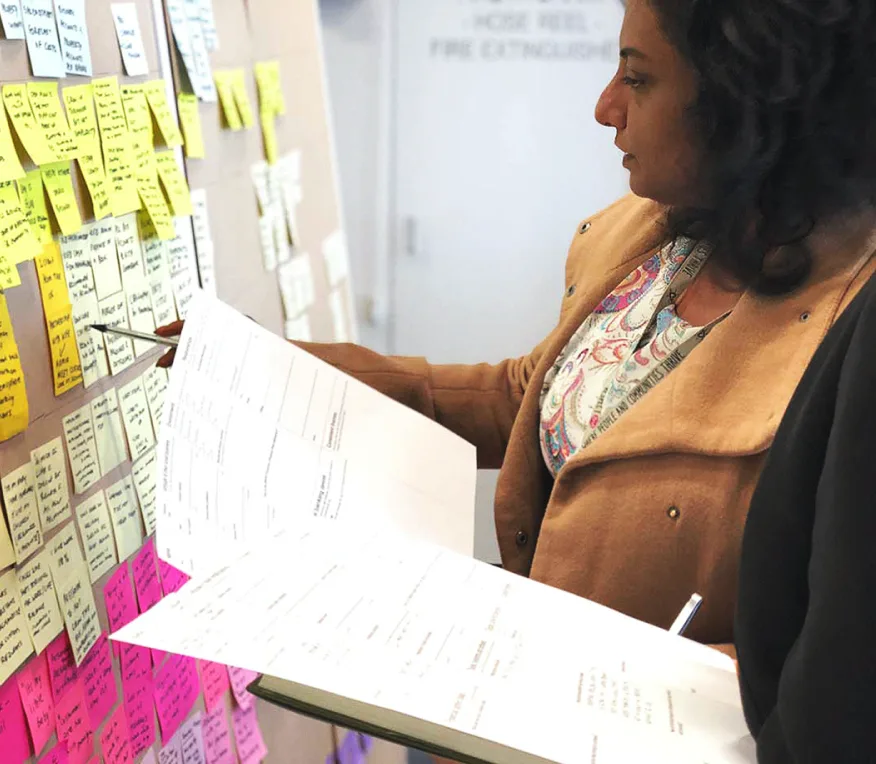
We partnered with ANZ to understand small business customers while simultaneously training two new internal design teams. Rather than handing over a research report, we worked alongside ANZ's people on live projects — so they gained the skills and confidence to run their own research and design processes independently.
How we build capability that sticks
A two-day workshop can spark interest, but it won't change how your organisation works. Real capability building happens over months, through repeated practice on real projects, honest reflection, and gradual shifts in how teams approach problems.
We work alongside your people — not in a classroom, but on actual challenges they're facing right now. Our approach typically combines several elements:
- Coaching on live projects — working shoulder-to-shoulder with your teams as they apply research and design methods to real problems, not hypothetical exercises
- Embedded practitioners — placing experienced designers and researchers within your organisation to model practice, build relationships, and mentor from the inside
- Train-the-trainer programs — building a cohort of internal champions who can teach and support others long after we've stepped back
- Communities of practice — establishing peer networks where practitioners share what's working, troubleshoot together, and hold each other accountable
- Practical toolkits — creating templates, method cards, and guides your teams can reach for when they're working independently
The goal is always the same: to make us unnecessary. When your teams can confidently plan, conduct, and act on their own research and design work, we've done our job.
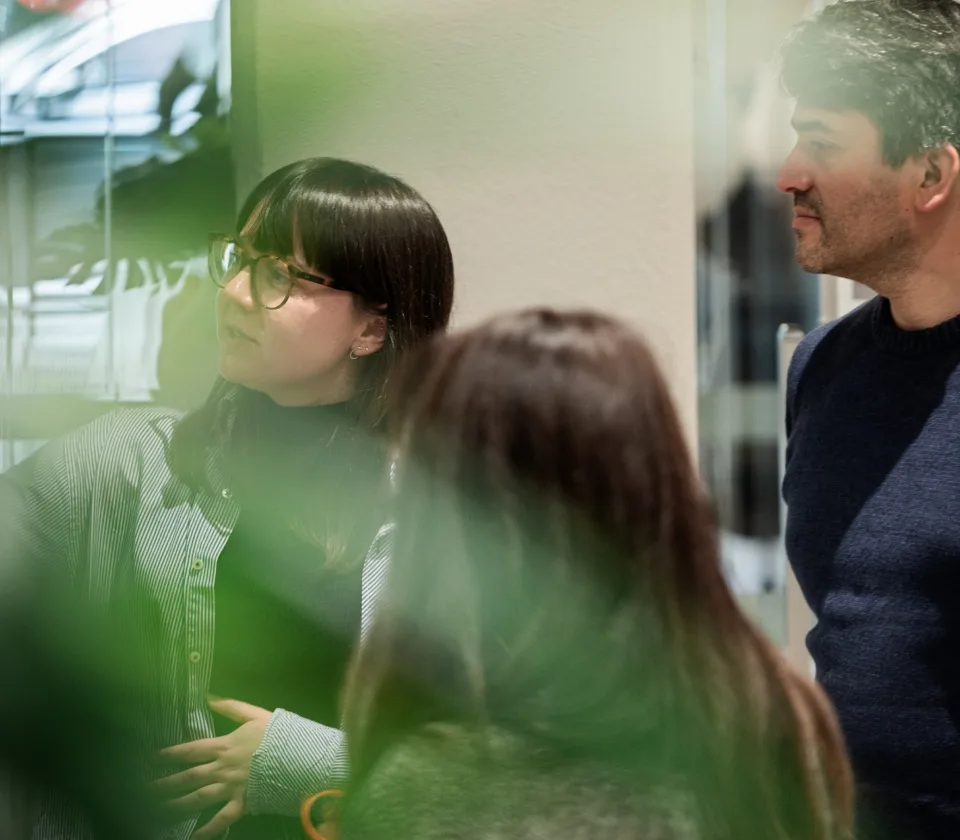
We co-designed a customised qualitative research skills course for SEEK's Asia-Pacific teams, tailoring content and exercises to their specific product challenges. The program equipped researchers and product managers across multiple markets to conduct their own user interviews, synthesis, and insight generation.
What a capability engagement actually looks like
Every organisation starts from a different place, so every engagement looks different. We begin by understanding where you are now — your existing skills, processes, culture, and ambitions — and design a program that meets you there.
Depending on your context, we deliver:
- Design maturity assessments — an honest, evidence-based picture of your organisation's current capabilities, gaps, and opportunities for growth
- Bespoke learning programs — structured curricula that build skills progressively, blending theory with hands-on project work over weeks or months
- Coaching frameworks — regular check-ins, shadowing, and co-facilitation that give your people support exactly when they need it
- Practical toolkits — templates, method cards, and step-by-step guides that make good practice the easy default
- Evaluation and measurement — ways to track whether capability is actually growing, not just whether workshops were well-attended
These elements work as a system, each reinforcing the others. Toolkits support what coaching introduces. Communities of practice sustain what learning programs ignite. Capability compounds.
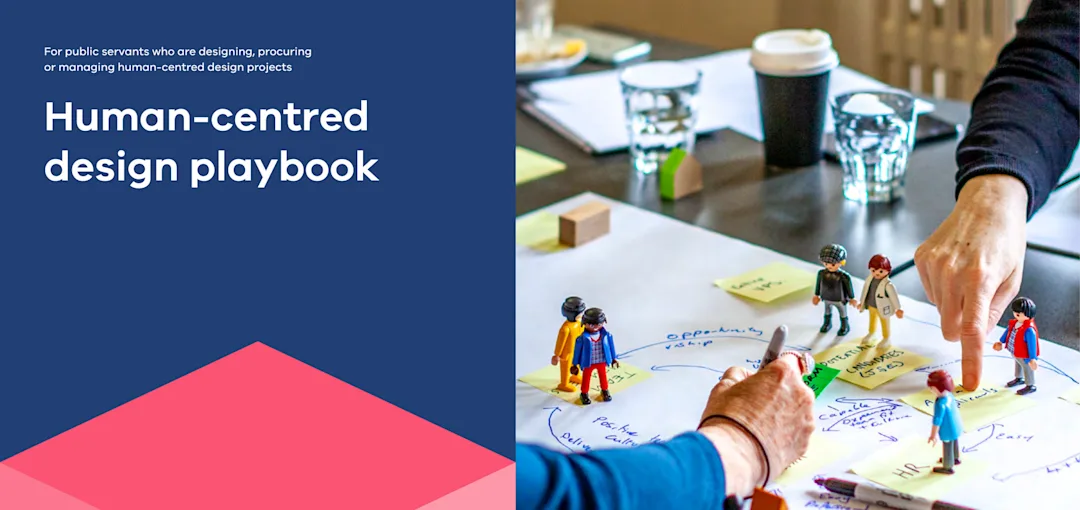
We worked with the Victorian Department of Premier and Cabinet to create the HCD Playbook — an open-access resource that helps public servants across the state apply human-centred design to policy and service challenges, even without dedicated design teams.
From government agencies to global tech companies
We've built design capability across sectors and scales — from federal agencies with thousands of geographically-distributed staff to Asia-Pacific tech companies with mature but siloed research teams. The common thread is organisations that recognise design as a strategic advantage, not just a project cost.
What changes between contexts is the starting point and the pace. Some organisations need foundational skills in research and human-centred design. Others have experienced practitioners who need structured support to scale their impact. A few need help creating the organisational conditions — leadership buy-in, governance, career pathways — for design to thrive.
The approach adapts, but the principle doesn't: capability building works best when it's embedded in real work, supported by leadership, and measured by outcomes that matter.
The impact of investing in your people
Organisations that invest in design capability see returns that go far beyond individual projects. Teams that can conduct their own research make better decisions faster. Internal champions spread good practice without waiting for budget approval. Design thinking stops being a buzzword and becomes a way of working.
We've seen the difference this makes:
- Faster time to insight — teams that can run their own discovery don't wait months for external consultants to become available
- Better procurement — teams that understand design can write better briefs, evaluate proposals more critically, and manage design work more effectively
- Stronger cross-functional collaboration — shared methods and language break down silos between product, policy, service delivery, and technology teams
- Institutional resilience — when capability lives in the organisation rather than in any individual or vendor, it survives restructures and staff turnover
The best sign that capability building has worked is when teams stop asking for permission to do design — and start asking how to do it better.


